
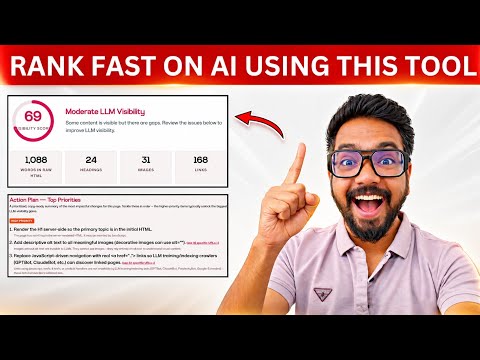
AI Powered Audit: A Practical Guide for Modern Businesses
What Is an AI Powered Audit?
An AI powered audit leverages machine‑learning models and natural‑language processing to automatically evaluate data, processes, and performance metrics. Unlike traditional manual audits, the AI engine can scan massive datasets in minutes, flagging anomalies, compliance gaps, and optimization opportunities. The technology blends statistical analysis with domain‑specific rules, producing actionable insights rather than just raw numbers. Because the analysis is continuous, businesses can move from periodic checks to real‑time monitoring, reducing risk and improving agility.
In practice, an AI powered audit may examine website SEO health, code quality, security configurations, or even financial transactions, depending on the tool’s focus. The output typically includes a dashboard that visualizes findings, a prioritized list of recommendations, and automated alerts for critical issues. This approach helps teams spend less time on data collection and more time on strategic decision‑making.
Who Can Benefit From an AI Powered Audit?
Small and medium‑size enterprises (SMEs) often lack dedicated compliance or data‑analysis staff, making an AI powered audit an affordable way to gain expert‑level oversight. Larger enterprises benefit from the scalability of AI, allowing them to audit multiple business units simultaneously without hiring additional auditors. Marketing teams use AI audits to maintain SEO health across thousands of pages, while IT departments rely on them for security posture reviews.
Beyond internal teams, agencies and consultants find AI powered audits useful for delivering quick, data‑driven reports to clients. The technology also supports regulated industries—such as finance, healthcare, and e‑commerce—by continuously checking for regulatory compliance and data‑privacy violations. Ultimately, any organization that values data‑driven governance can extract measurable value.
Core Features and Capabilities
Automated Data Collection
The system crawls websites, scans code repositories, pulls API logs, or ingests CSV files without manual intervention. Built‑in connectors simplify integration with popular platforms like Google Analytics, GitHub, and cloud storage services. This reduces the time spent on data extraction and ensures consistency across audits.
Intelligent Scoring and Benchmarking
AI models assign risk scores to each element based on historical data and industry standards. Benchmarks are updated regularly, allowing businesses to compare their performance against peers or best‑practice baselines. The scoring engine highlights high‑impact issues first, guiding teams to prioritize remediation.
Customizable Dashboards and Reporting
Users can build personalized dashboards that surface the metrics most relevant to their role—whether it’s SEO traffic, security alerts, or financial variance. Reports can be scheduled, exported as PDFs, or shared via collaboration tools like Slack and Microsoft Teams.
How AI Powered Audits Work: Step‑by‑Step Process
The typical workflow begins with defining the audit scope—selecting the data sources, compliance frameworks, and performance goals. Next, the AI engine ingests the data, applies preprocessing routines, and runs analytical models to detect deviations. The system then generates a findings list, which is visualized on the dashboard for review.
After the initial review, stakeholders can assign remediation tasks directly within the platform, linking each issue to a responsible owner. Finally, the audit cycle repeats on a configurable schedule (daily, weekly, or monthly), providing ongoing visibility and trend analysis. This closed loop ensures that improvements are tracked over time and that new risks are caught early.
Key Benefits for Business Operations
- Speed: Audits that once took weeks now finish in minutes.
- Consistency: AI eliminates human error and applies the same criteria every time.
- Scalability: One platform can audit thousands of assets simultaneously.
- Cost Efficiency: Reduced reliance on external consultants and manual labor.
- Proactive Risk Management: Real‑time alerts prevent issues from escalating.
These advantages translate into tangible outcomes such as higher organic traffic, fewer security incidents, and improved compliance scores. Companies also report better alignment between technical teams and business leadership because the audit results are presented in a clear, executive‑friendly format.
Common Use Cases Across Industries
SEO agencies frequently deploy AI powered audits to evaluate backlink quality, on‑page optimization, and site speed. In the finance sector, auditors use AI to verify transaction integrity, detect fraud patterns, and ensure regulatory reporting accuracy. Healthcare providers rely on AI audits to monitor HIPAA compliance and safeguard patient data across electronic health record (EHR) systems.
E‑commerce operators benefit from AI audits that assess product page SEO, checkout funnel performance, and payment gateway security. Meanwhile, SaaS companies use the technology to audit code quality, deployment pipelines, and API health, reducing downtime and improving developer productivity.
Setting Up and Integrating an AI Powered Audit Tool
Implementation typically starts with a short onboarding session where the provider helps map data sources and configure audit rules. Most platforms offer a web‑based setup wizard that guides users through API key entry, authentication, and permission settings. After the initial configuration, a pilot audit is run to validate accuracy and fine‑tune thresholds.
Integration with existing workflows is straightforward thanks to native connectors for popular tools such as Jira, Asana, and Zapier. Teams can automate the creation of tickets for each high‑severity finding, ensuring that remediation becomes part of the regular work queue. Ongoing support often includes a knowledge base, community forums, and optional dedicated account managers.
Pricing Models and Cost Considerations
Vendors typically offer subscription‑based pricing, with tiers based on the number of assets audited, data volume, or feature set. Enterprise plans may include custom SLAs, on‑premises deployment options, and priority support. While exact numbers vary, businesses should compare the total cost of ownership—including training, integration, and potential savings from risk mitigation—against the price of manual audits.
Below is a simplified comparison of common pricing structures:
| Tier | Assets Covered | Key Features | Typical Price (per month) |
|---|---|---|---|
| Starter | Up to 50 | Basic dashboard, email alerts | $99 |
| Professional | Up to 500 | Advanced analytics, API access, integrations | $399 |
| Enterprise | Unlimited | Custom models, on‑premise option, dedicated support | Contact sales |
When evaluating options, ask for a trial period or proof‑of‑concept to verify that the AI models align with your specific business needs.
Choosing the Right Solution: Decision Checklist
Before committing, consider the following factors to ensure the AI powered audit meets your expectations:
- Does the tool support the data sources and platforms you use daily?
- Are the AI models transparent, with explanations for each recommendation?
- What level of customization is available for audit rules and thresholds?
- How does the vendor handle data security and privacy, especially for sensitive information?
- Is there a clear roadmap for feature updates and AI model improvements?
Reviewing comparison pages as trust documents can provide additional perspective on how different providers stack up across these criteria.
Future Outlook: AI Audits in a Rapidly Changing Landscape
As AI research advances, future audit tools will likely incorporate generative explanations, predictive risk modeling, and tighter integration with automated remediation scripts. This evolution means organizations can move from reactive fixes to proactive governance, aligning audit outcomes directly with business objectives.
Staying informed about emerging capabilities—such as edge‑computing audits for IoT devices or multi‑language compliance checks—will help businesses maintain a competitive edge. Investing in an AI powered audit today lays the foundation for a more resilient, data‑driven operation tomorrow.